F&F Surface Group · Flooring Guide
What Drives the Cost to Refinish Hardwood Floors?
Updated July 20, 2026 · 5 min read
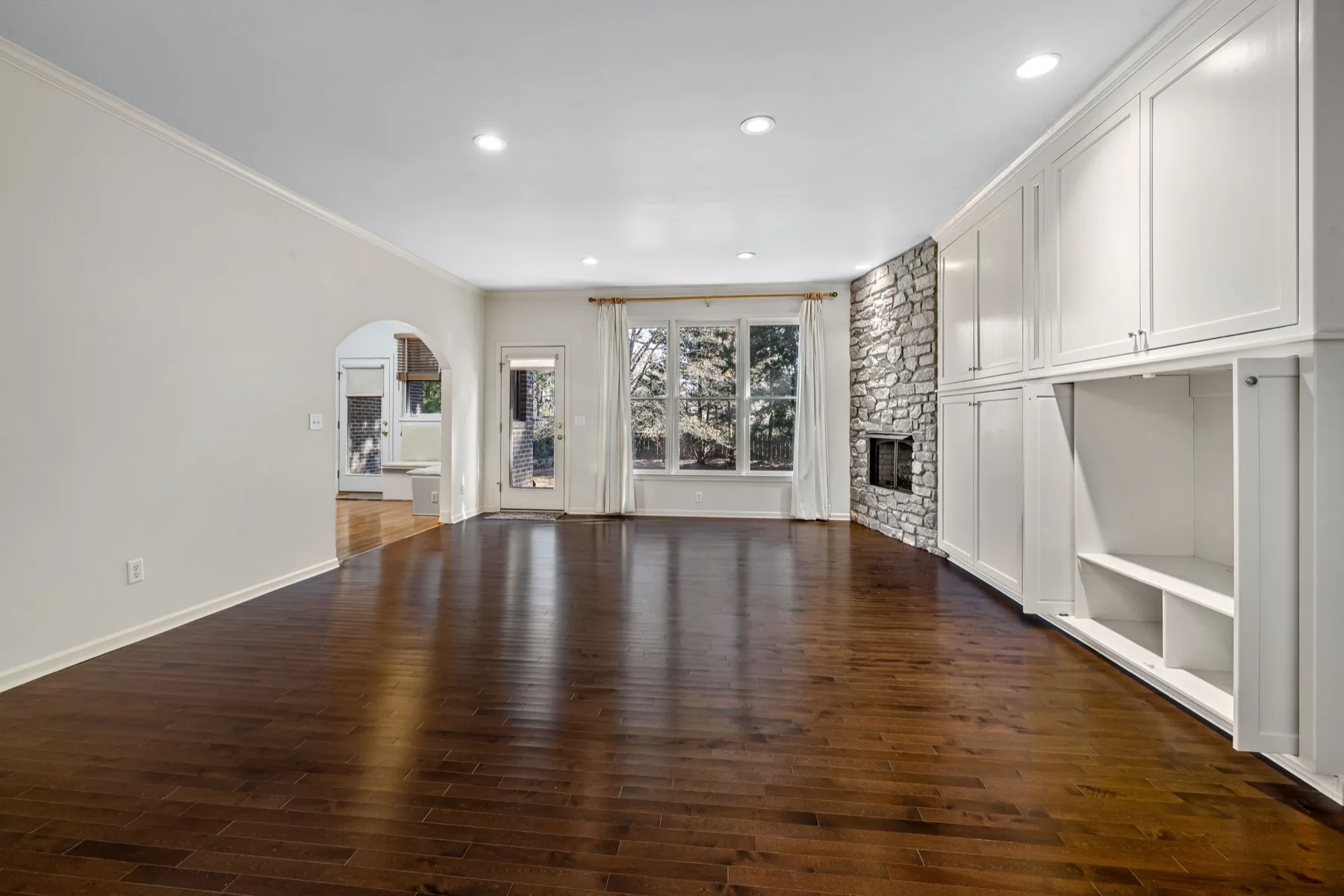
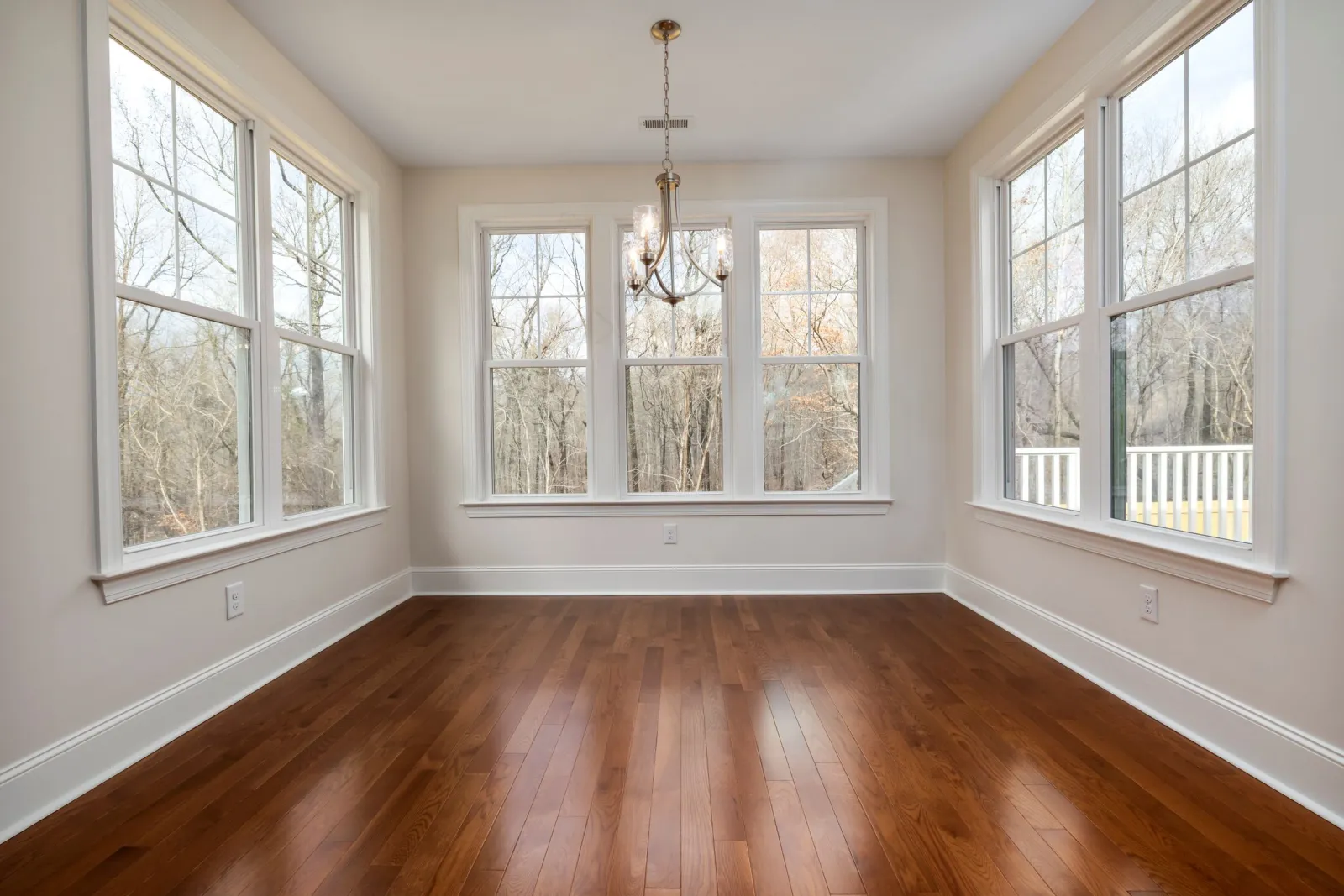
Get two refinishing quotes and they can look surprisingly different — not because someone is overcharging, but because "refinish my floors" can mean very different amounts of work. Most refinishing is priced per square foot, with stairs and extras added on. Here is what actually moves the number, so you can read an estimate with confidence instead of guessing.
The factors that drive the price
1. Square footage (and how it is laid out)
Bigger areas cost more in total but often less per square foot, because setup and mobilization get spread across a larger job. Lots of small, chopped-up rooms with tight corners take more edge work than one big open floor of the same size.
2. Stairs
Stairs are the single biggest per-unit cost in most refinishing quotes. Each tread and riser is hand-sanded and finished, which is slow, detailed work — so a staircase can add meaningfully to the total. If your quote has a separate line for stairs, that is why.
3. Wood species and floor condition
Harder or delicate woods, older floors, and boards that have been refinished several times already can take more care. Deep gouges, pet stains, water damage, cupping, and boards that need replacing all add labor before the finish ever goes on.
4. Stain vs. natural
Keeping the natural color is the most economical route. Adding stain — especially a custom color — means extra material, extra labor, and extra drying time, all of which add cost.
5. Finish type and number of coats
Water-based and oil-based finishes differ in price, durability, dry time, and odor. More coats mean more protection and more cost. A high-traffic home may be better served by a tougher finish system, which is worth discussing rather than defaulting to the cheapest option.
6. Repairs and extras
Board replacement, filling and patching, shoe molding, and moving heavy built-ins are common add-ons. A transparent estimate lists these separately so you can see exactly what you are paying for.
How to compare quotes fairly
- Check that each quote covers the same rooms and square footage — a lower number often just means less area.
- Confirm the number of finish coats and the type of finish.
- See whether stairs, repairs, and stain are included or billed separately.
- Ask what is not included, so there are no surprises on the invoice.
The cheapest quote is not always the best value, and the most expensive is not automatically the most thorough. The goal is an apples-to-apples comparison. We give itemized, written estimates after measuring in person — no vague ballparks — so you know precisely what the price covers before any work starts.