F&F Surface Group · Flooring Guide
Flooring for Annapolis and Anne Arundel County Homes: Humidity, Water and Every Age of House
Updated October 26, 2026 · 8 min read
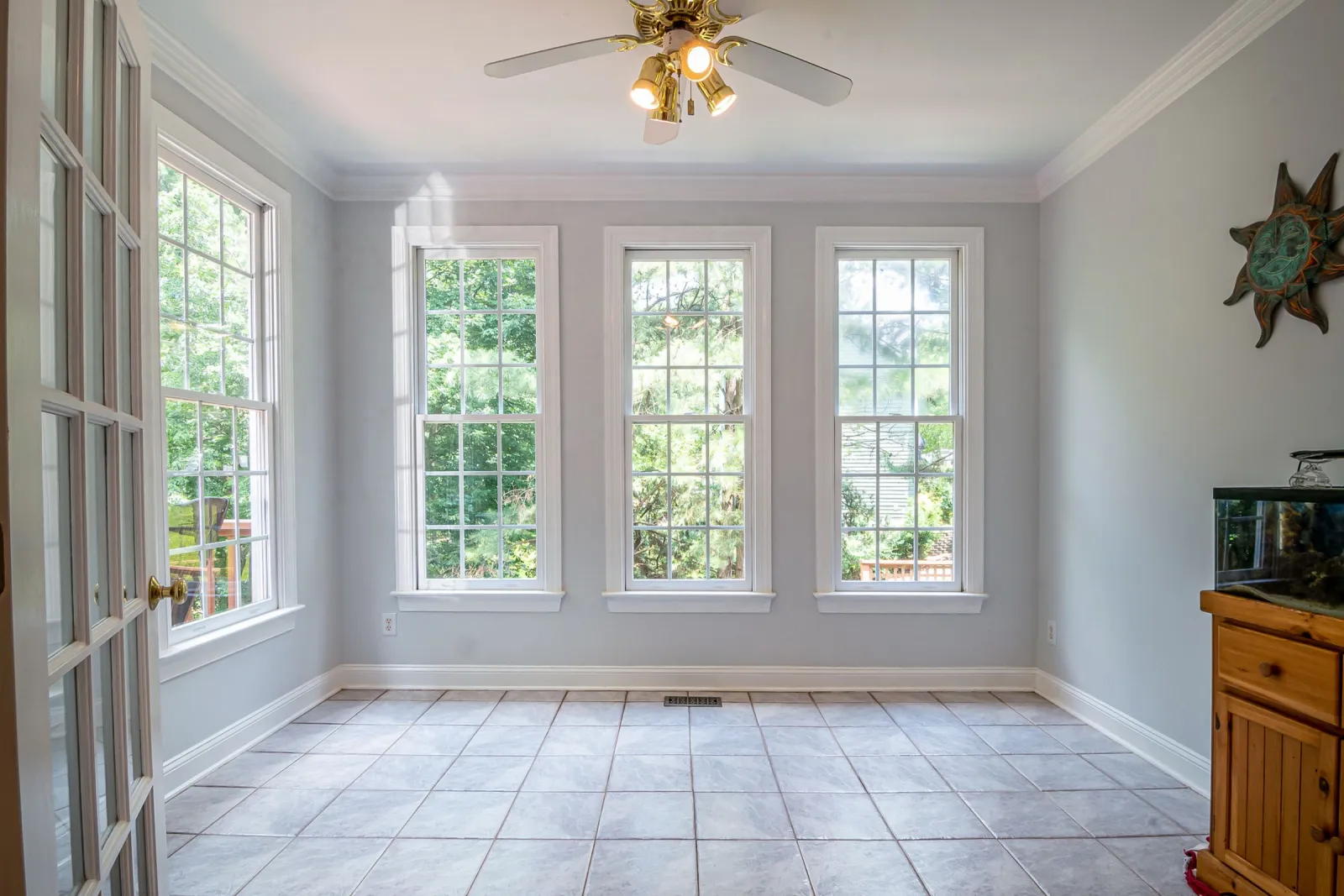
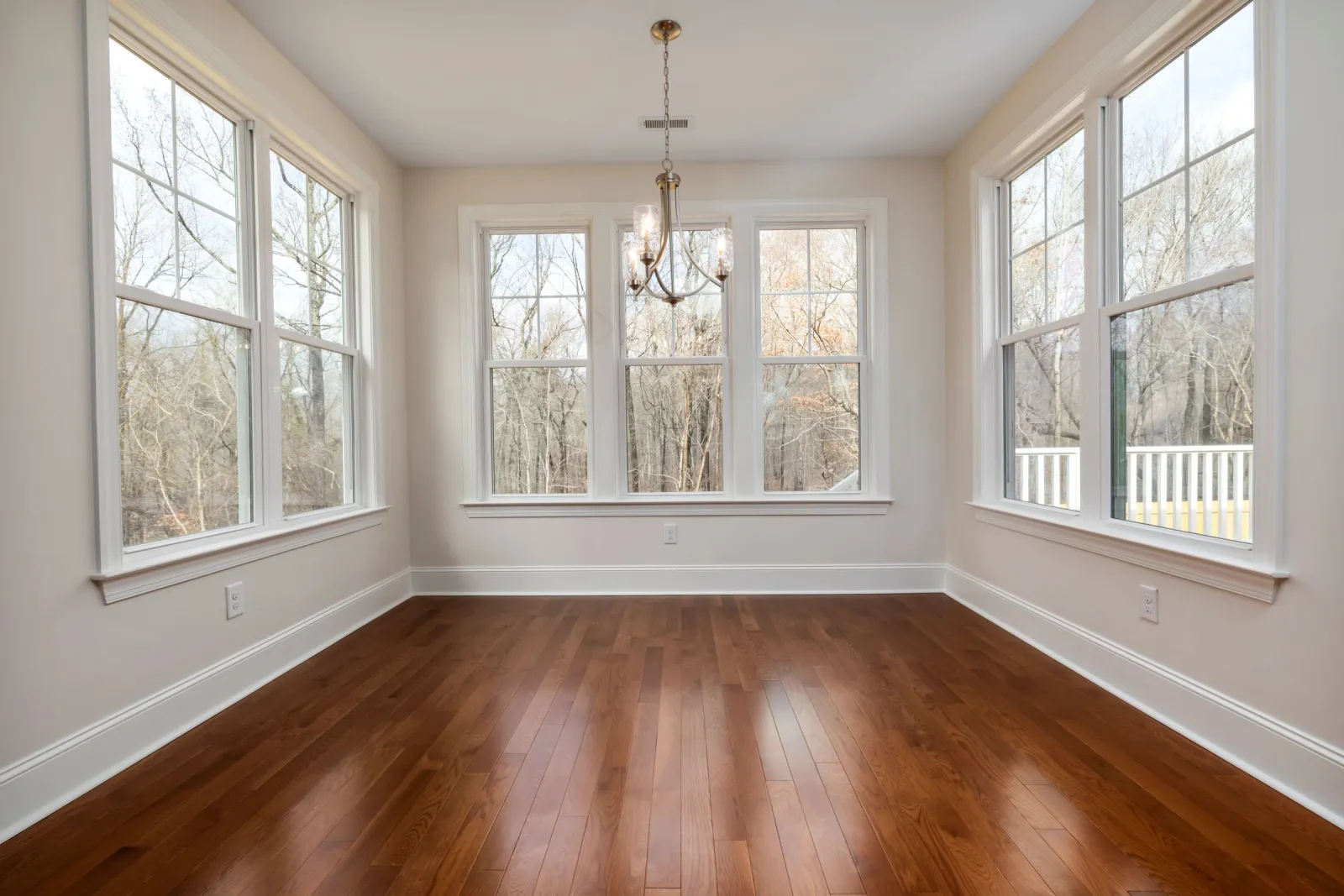
Anne Arundel County packs a lot of different houses into one county: colonial-era rowhouses in downtown Annapolis, cottages on the creeks, post-war ranches in Glen Burnie, 1970s and 80s colonials in Crofton and Severna Park, and new townhomes near Fort Meade. The right floor depends on which of those you live in, and on one thing almost every house here has in common: the Chesapeake Bay is never far away. Here is how we think about flooring across the county.
Start with moisture
Summers along the Bay are long and humid, and many homes sit near creeks, rivers or the Bay itself. Moisture is the first thing to check on any flooring job here, in three places:
- The air. Hardwood swells in humid air and shrinks in dry winter heat. Most manufacturers ask for indoor relative humidity of roughly 35 to 55 percent. A house that is closed up with the AC off in August, like a summer place or a home between owners, can drift far above that.
- Below the floor. Crawl spaces in older and waterfront homes can be damp, and moisture rising from below is a common cause of cupped hardwood. A vapor barrier on the crawl space floor and good ventilation or a dehumidifier make a big difference.
- Concrete slabs. Basements and slab-on-grade lower levels should be moisture-tested before any floor goes down.
None of this rules out hardwood. It means testing the wood and the subfloor before installation and keeping the house at steady conditions afterward.
Lower levels, near the water
For basements, lower-level family rooms and any space in or near a flood-prone area, choose a floor that water does not ruin. Porcelain tile is unaffected by water and is the most durable choice. Waterproof luxury vinyl plank is warmer and softer underfoot, goes in faster, and individual planks can be replaced. Our basement flooring guide compares them, and our tile guide explains how to choose porcelain.
Sand, salt and wet feet
Beach sand, boat shoes, dogs back from the water and winter road salt all come in through the same door. Sand is abrasive and wears down a floor finish quickly, so the entry and mudroom deserve a hard, easy-to-clean floor such as porcelain tile or LVP, plus a good mat outside and inside every door. On hardwood, keep a mat at each entry and sweep often. Our hardwood care guide covers the rest.
Older homes: Annapolis and the established neighborhoods
Downtown Annapolis, Eastport and West Annapolis have many older homes with original wood floors. Old floors like these are often worth keeping. A careful refinish can bring them back, and damaged boards can be patched in with matching wood. Our guide to refinishing floors in old rowhouses covers the same issues you find in older Annapolis houses: thin boards from past sandings, uneven floors and old repairs.
Post-war homes: Glen Burnie and the older neighborhoods
Many ranches, Cape Cods and split-levels from the 1950s and 60s were built with oak strip floors, which were often covered with wall-to-wall carpet later. Before you buy new flooring, look under the carpet. Our guide to hardwood under carpet explains what to look for and what it takes to restore it. Refinishing an existing floor almost always costs less than installing new.
1970s to 90s homes: Crofton, Severna Park and Millersville
Much of Crofton and many Severna Park and Millersville neighborhoods were built from the 1970s through the 1990s. Those houses often need everything at once: worn carpet upstairs, tired sheet vinyl in the kitchen and dated tile in the bathrooms. A common, practical plan is new carpet in the bedrooms, LVP or hardwood on the main level and tile in the baths. Our carpet guide covers choosing fiber, pile and cushion.
Newer homes: Odenton, Severn and the Fort Meade area
Odenton, Severn and the communities around Fort Meade and Arundel Mills have a lot of newer townhomes and single-family houses, many still with builder-grade carpet and vinyl. Upgrading a few years after moving in is common, and LVP on the main level is the most popular change because it holds up to kids and dogs. See our hardwood vs. LVP comparison if you are deciding between them.
Military families on a PCS timeline, and anyone buying or selling, should plan floors for when the house is empty. Carpet and LVP go in quickly, while hardwood refinishing needs a few days plus cure time. Our guides to floors before selling and rental property flooring help if the house will be listed or rented out.
Planning the whole house
When several rooms change at once, plan the transitions as carefully as the floors. Tile, LVP, hardwood and carpet are different thicknesses, and doorways need the right transition strips so there is no trip edge. Keeping one hard floor running through the main level, rather than changing at every doorway, makes the house feel larger. We quote every room in one written estimate so the floors are planned together.
The short version
- Check moisture in the air, crawl space and slab before any floor goes in.
- Use porcelain tile or LVP on lower levels and in entries near the water.
- Hardwood works upstairs and on the main level with steady humidity; engineered is more stable.
- Look under the carpet in older homes before buying new floors.
- Plan floor work for when the house is empty, and plan transitions between rooms.
Frequently asked questions
What is the best flooring for a waterfront home in Anne Arundel County?
On lower levels and anywhere water or wet feet come in, porcelain tile and luxury vinyl plank are the safest choices, because water does not ruin them. Hardwood works well on the main and upper floors of a waterfront home as long as the indoor humidity is kept steady with air conditioning and a dehumidifier in summer. Engineered hardwood is more stable than solid in humid conditions.
Can I put hardwood floors in a house near the water?
Yes. Humidity, not the view, is the issue. Keep indoor relative humidity in the range the flooring maker specifies, usually around 35 to 55 percent, by running the AC and a dehumidifier in summer. Check the moisture in the crawl space or slab before installation, and consider engineered hardwood, which moves less than solid boards.
Is there hardwood under the carpet in older Glen Burnie and Severna Park homes?
Often. Many post-war and mid-century homes in the county were built with oak strip floors that were later covered with wall-to-wall carpet. Lift a corner of the carpet in a closet or at a floor vent to look. If it is there, refinishing it usually costs less than a new floor.
Can flooring be scheduled around a military PCS move?
Usually, if you call early. The easiest time to do floors is when the house is empty, between closing and move-in or after a move-out. Carpet and luxury vinyl plank go in quickly, often a day or two for several rooms. Hardwood refinishing needs a few days plus cure time before furniture goes back.
Do you serve all of Anne Arundel County?
We work across Annapolis, Severna Park, Crofton, Odenton, Glen Burnie, Severn, Millersville and Davidsonville, plus Elkridge and Laurel, along with DC, Montgomery and Prince George's counties and Northern Virginia. Every job starts with a free in-home measure and a written estimate.
Live in Anne Arundel County? Request a free estimate. We will measure every room, check for moisture and for hardwood under the carpet, and give you one written price for the whole house. See all our Annapolis, Crofton and Glen Burnie services.
Keep exploring
- → See our luxury vinyl flooring services
- → Flooring in Annapolis, MD
- → Flooring in Severna Park, MD
- → Flooring in Odenton, MD
- → Getting Your Floors Ready to Sell a DMV Home: Refinish, Repair or Replace?
- → Flooring for Rental Properties: What Holds Up Between Tenants
- → Porcelain vs. Ceramic Tile: Choosing a Tile Floor for Kitchens, Baths and Mudrooms