F&F Surface Group · Flooring Guide
How to Choose Carpet: Fiber, Pile, Padding and Where Carpet Still Makes Sense
Updated October 26, 2026 · 8 min read
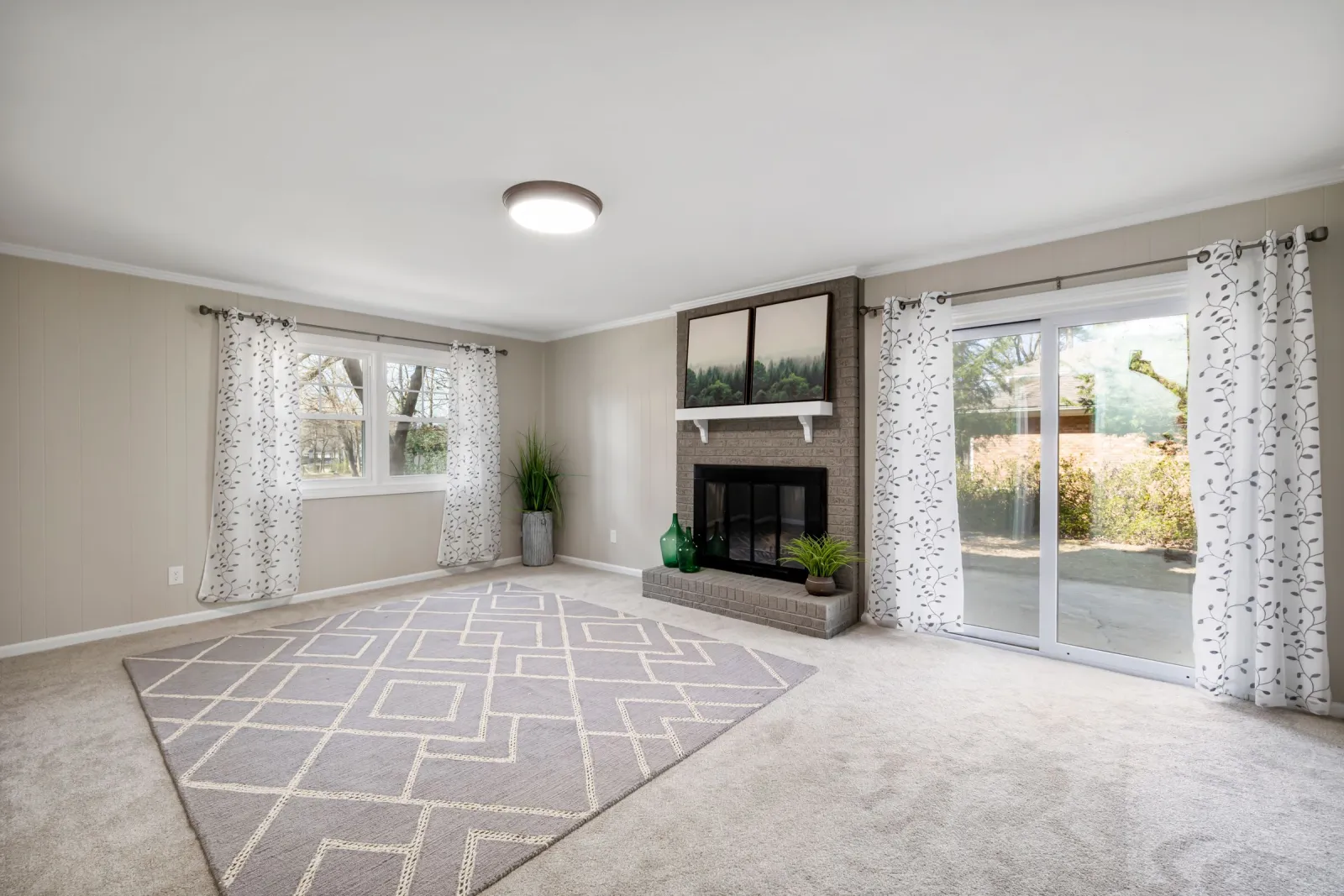
Carpet samples all look good in the showroom. The differences show up two or three years later, on the stairs and in the hallway outside the kids' rooms. Some carpet still looks new and some is matted flat. Most of that comes down to three things: the fiber, how the pile is built, and the cushion under it. Here is how to judge each one, and where carpet is still the right floor in a DMV house.
Where carpet still makes sense
Hard floors have taken over main levels, but carpet still has jobs it does better than anything else:
- Bedrooms. It is warm underfoot on a winter morning and soft for kids playing on the floor.
- Upper floors in two-story houses. Carpet and cushion absorb footsteps, so the people downstairs hear far less.
- Finished basements that stay dry, where it takes the chill off a concrete slab.
- Stairs, where it adds grip and quiet.
- Large rooms on a budget. It is usually the least expensive way to finish a lot of square footage well.
Kitchens, bathrooms, laundry rooms and entryways are the places carpet does not belong. Those rooms are better served by tile or luxury vinyl plank.
Fiber: what the carpet is made of
Fiber decides how well the carpet recovers from traffic and how it handles stains.
- Nylon is the most resilient synthetic. It bounces back after being walked on, which is why it is the standard choice for stairs, halls and family rooms. Quality nylon usually costs more than polyester.
- Polyester (often labeled PET) is soft, holds color well and resists water-based stains. It does not spring back as well as nylon, so it is a better fit for bedrooms than for the main hallway.
- Triexta is a newer polyester-family fiber, sold under brand names such as SmartStrand. It is soft and strongly stain-resistant, and it is a popular choice for families with kids and pets.
- Wool is natural, durable and resists soil, and it is the most expensive. It needs more care with some spills, so it suits adult bedrooms and formal rooms more than a playroom.
- Olefin (polypropylene) is inexpensive and resists moisture, but it crushes and holds oily soil. It is common in loop Berbers and basement carpet.
Ask whether a nylon is solution-dyed. In solution-dyed fiber the color is added before the fiber is made, so it runs all the way through, and it resists fading and bleach spots much better than carpet dyed afterward.
Pile: how the yarn is built
The same fiber can be made into very different carpets.
- Plush or saxony is a smooth, even cut pile. It looks formal and feels soft, and it shows every footprint and vacuum line.
- Textured cut pile has yarns twisted so the surface is slightly uneven. It hides footprints and everyday soil, which makes it the most popular choice for whole-house carpet.
- Frieze has long, tightly twisted yarns that curl in different directions. It is casual, very good at hiding wear, and holds up well in busy rooms.
- Berber and loop pile leaves the yarn in uncut loops. It is tough and flat, but a pulled loop can run, and pet claws catch on it.
- Cut-and-loop and patterned carpets mix the two to create a sculpted pattern. They hide soil and add texture, and they look good in bedrooms and on stairs.
Density and twist: the numbers that matter
The specification sheet shows several numbers. Face weight, the ounces of yarn per square yard, is the one most often advertised, but it is not the best measure of quality. A tall, loose pile can have a high face weight and still mat down quickly.
Two better signs are density and twist. Bend a sample back: if you can easily see the backing between the tufts, it is not dense. Tightly packed tufts support one another and resist crushing. On cut piles, a tighter twist in each yarn holds its shape longer. For a stair or a hallway, a dense, tightly twisted carpet will outlast a thicker but looser one.
Cushion: the part you never see
The pad under the carpet affects how it feels, how long it lasts and whether the warranty holds. Most homes get rebond, the multicolored foam made from recycled scraps. Memory foam and fiber cushions are other options.
Thicker is not always better. A pad that is too soft or too thick lets the carpet flex with every step, which wears the backing and can lead to ripples. Carpet makers typically list a maximum thickness and minimum density for their warranty, and stairs need a firmer pad than bedrooms. A cushion with a built-in moisture barrier keeps spills, and pet accidents, from soaking through to the subfloor. We match the cushion to the carpet and the room rather than upselling the thickest one.
Stairs
Stairs get more concentrated wear than any other part of the house, so they deserve the most durable carpet you are installing, usually a dense nylon. There are two ways to install it. Waterfall drapes the carpet over the nose of each step down to the next tread. Wrapped, sometimes called Hollywood or upholstered, pulls it tight around the nose and under it, which looks tailored and fits each step. If your stairs are hardwood under the carpet, they might be worth refinishing instead; our guide to refinishing hardwood stairs covers that option.
Basements
Carpet works well in a dry finished basement. Before it goes in, the slab should be checked for moisture and the cushion chosen for below-grade use. If the basement has ever taken on water, consider a waterproof floor instead. Our basement flooring guide compares the options.
Kids, pets and rentals
For busy families, the priorities are stain resistance, a cut pile rather than a loop, and a color in the mid-tones, which hides both lint and dirt better than very light or very dark carpet. Read the stain and pet warranties, not just the brochure. Our guide to flooring for homes with dogs goes further. For landlords, a durable, mid-priced carpet in bedrooms often makes sense alongside hard floors elsewhere; see our rental flooring guide.
What happens on install day
A good carpet job starts before install day. The rooms are measured and seams are planned so they fall out of traffic paths and away from windows. On the day, the old carpet and pad come out, the subfloor is checked and squeaks fixed while it is exposed, new tack strip and cushion go down, and the carpet is power-stretched wall to wall. Power stretching is the difference between carpet that stays flat for years and carpet that ripples within a season. If you are wondering what is under your old carpet, see hardwood under carpet before you order new.
Afterward, vacuum regularly, blot spills rather than rubbing them, and plan on professional hot-water extraction every year or so. Many carpet warranties require periodic professional cleaning, so keep the receipts.
The short version
- Use carpet in bedrooms, upper floors, dry basements and stairs, not in kitchens, baths or entries.
- Choose nylon for stairs and high traffic, and polyester or triexta for bedrooms and value.
- Choose textured or frieze to hide footprints, and avoid loop Berber with dogs.
- Judge density and twist, not just thickness or face weight.
- Match the cushion to the carpet maker's spec, and make sure the carpet is power-stretched.
Frequently asked questions
What is the most durable carpet fiber?
Nylon is the most resilient synthetic fiber. It springs back from foot traffic better than the others, which is why it is the usual choice for stairs, hallways and busy family rooms. Polyester and triexta resist stains well and cost less, and they work well in bedrooms and lighter-traffic rooms. Wool is durable and naturally soil-resistant but costs the most and needs more care with stains.
What carpet style hides footprints and vacuum marks?
Textured cut pile and frieze. Their twisted, uneven surface hides footprints, vacuum lines and some soil. A smooth plush or saxony shows every mark, which some people like in a formal room and most families do not like in a busy one.
Is a thicker carpet pad better?
Not necessarily. Density matters more than thickness. A cushion that is too thick lets the carpet flex with every step, which strains the backing and can cause wrinkles. Most carpet makers set a maximum thickness and minimum density for their warranty, and the cushion should be chosen to meet that spec, with a firmer pad on stairs.
Is Berber carpet good for homes with dogs?
Usually not. Berber is a loop pile, and claws can catch a loop and pull it. A tight cut pile in nylon or a stain-resistant polyester is the better choice for dogs. Pets are also a reason to look at the carpet's stain and pet warranty before you buy.
Can carpet go in a basement?
Yes, in a dry finished basement. The concrete slab should be checked for moisture first, and the cushion should be one suited to below-grade use. A basement that floods or has a damp slab is better off with luxury vinyl plank or porcelain tile, which water does not ruin.
Ready to replace tired carpet? Request a free estimate. We bring samples to your home, measure every room and the stairs, and give you one written price that includes cushion, removal and haul-away.
Keep exploring
- → See our carpet installation services
- → Carpet installation in Crofton, MD
- → Carpet installation in Severna Park, MD
- → Carpet installation in Germantown, MD
- → Waterproof & Basement Flooring for Maryland Homes
- → Refinishing Hardwood Stairs and Treads
- → Flooring for a House With Dogs: Scratches, Accidents and Traction