F&F Surface Group · Flooring Guide
Laminate vs. Luxury Vinyl Plank: An Honest Comparison
Updated September 14, 2026 · 7 min read
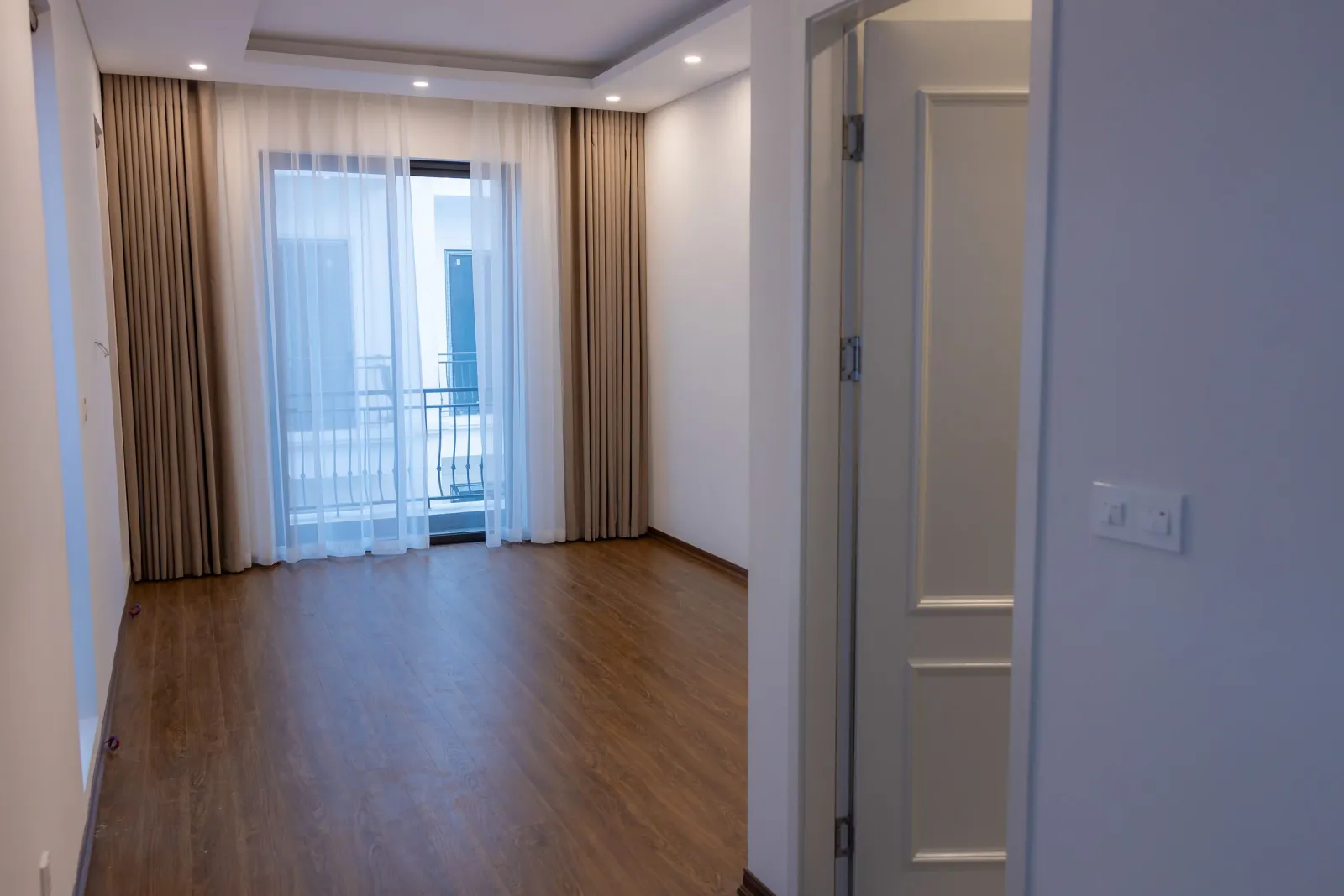
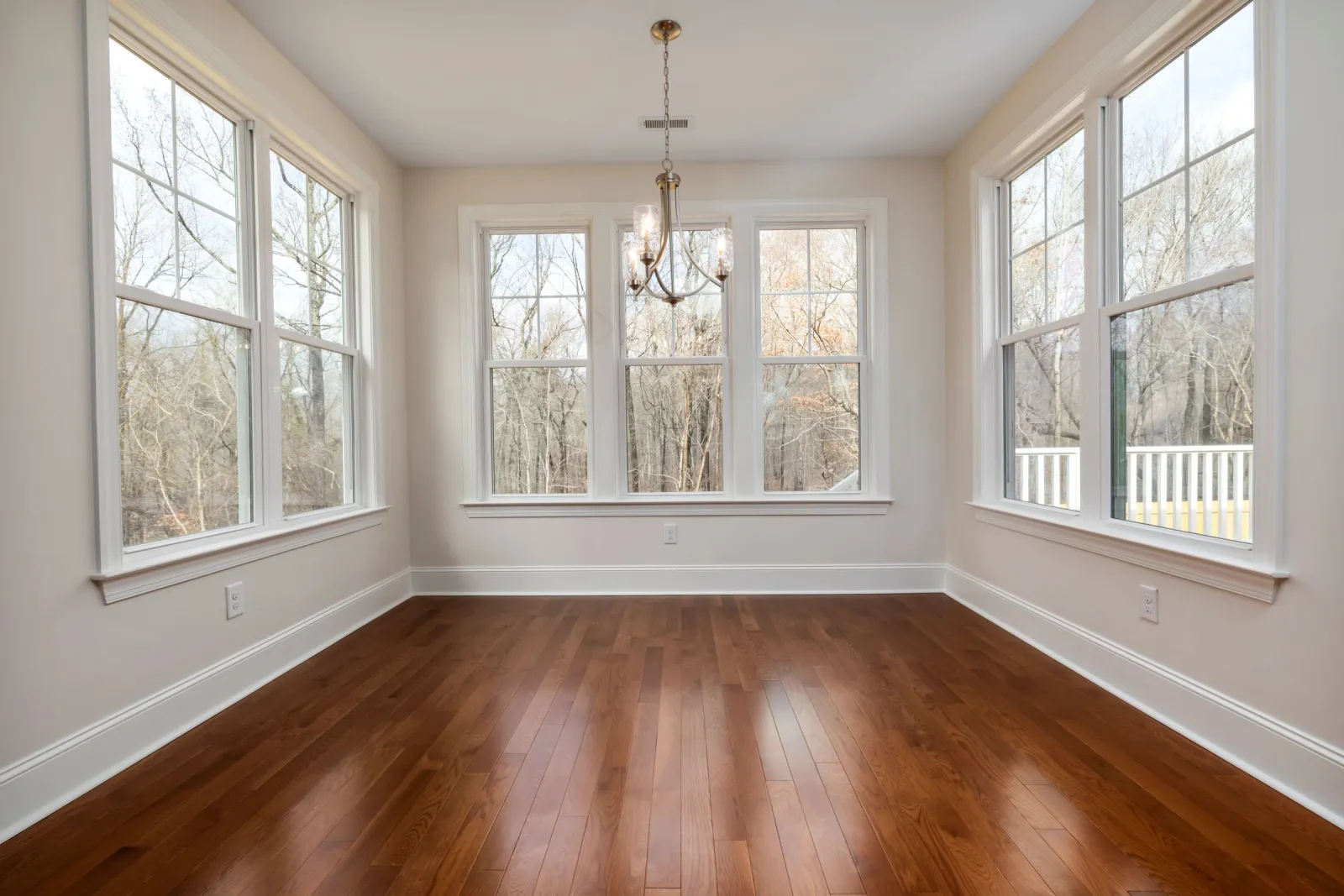
Stand in a showroom and a good laminate and a good luxury vinyl plank look almost identical. They are often priced close together, both click together as floating floors, and both are sold as the practical alternative to hardwood. But they are made of completely different materials, so they hold up to different things and fail in different ways. Once you know what each one is made of, the choice usually makes itself room by room.
What they are made of
Laminate is built on a core of high-density fiberboard — compressed wood fiber. On top of that is a printed image of wood, and over the image a hard, clear wear layer containing aluminum oxide.
Luxury vinyl plank (LVP) is plastic-based. Most of what we install has a rigid core, often SPC (stone polymer composite), with a printed film and a clear vinyl wear layer on top. There are also thinner, flexible vinyl planks designed to be glued down.
Everything below follows from that difference: one is a wood product with a very hard surface, the other is a plastic product that water cannot swell.
Water: the deciding factor
This is where the two separate. Vinyl planks do not absorb water, so a spill or appliance leak found late is a cleanup rather than a new floor. Laminate is water-resistant, and many modern products tolerate surface spills for hours — but water that gets into a seam and reaches the fiberboard core swells it, and swollen laminate stays swollen.
That makes the room list simple. Kitchens, bathrooms, laundry rooms, mudrooms and basements go to vinyl. Across Maryland and Northern Virginia, basements add moisture coming up through the slab, which is why our basement flooring guide steers toward vinyl below grade.
One caution applies to both. A waterproof plank is not a waterproof floor — water runs along the surface, finds the seams and reaches the subfloor underneath. Our vinyl flooring guide covers what that means in practice.
Scratches and dents
Laminate has the harder surface. Its aluminum-oxide wear layer stands up to claws, grit and chair legs better than most vinyl. Laminate is graded with an AC rating; for a busy home we look at AC4 or AC5.
Vinyl plank depends on its wear layer. That layer is measured in mils, and residential products commonly run from about 6 to 20. A thin wear layer shows traffic quickly; a thick one holds up well. It is also the number most likely to be quietly lower in a cheaper quote, so compare it directly.
Dents are a different question from scratches. A rigid-core vinyl plank resists denting from dropped objects and heavy furniture well. Laminate resists dents too, but a hard impact at a plank edge can chip it. Either way, felt pads under furniture legs are cheap insurance.
If a dog is part of the decision, our guide to flooring for homes with dogs weighs scratches against accidents in more detail.
Feel, sound and warmth
The gap here is smaller than it used to be. Laminate generally feels firmer and more like wood underfoot. Rigid-core vinyl plank feels similar; thinner flexible vinyl is softer and a little warmer.
Sound depends more on installation than on product. Any floating floor without the right underlayment sounds hollow and clicky, which is the noise people associate with cheap flooring. In a condo, the building's acoustic requirements may set the underlayment for you — see flooring for DC condos.
Sun and heat
Vinyl expands with heat more than laminate does. In a sunroom, or in front of a wall of south-facing glass, strong sun can make some vinyl products move enough to open gaps or push against themselves. Rigid-core products handle this far better than flexible ones, and manufacturers publish temperature limits worth checking. In a very sunny room with no water risk, laminate is often the steadier choice.
Subfloor and installation
Both install as floating click-lock floors over most flat, dry subfloors, and both often go straight over existing level tile or vinyl without demolition. Rigid-core vinyl tolerates small subfloor imperfections better. Laminate needs a flatter subfloor, because low spots make its locking joints flex until they separate — our laminate installation guide covers that and the expansion gap in detail. Vinyl can also be glued down where a floor needs to be completely stable.
Repair, lifespan and resale
Neither can be sanded or refinished. When either wears out, it is replaced. Damaged click-lock planks of both types can be swapped individually, which is easiest near the edge of a room.
Lifespan depends on putting the floor in the right room and choosing the right grade: a quality AC4 or AC5 laminate commonly lasts 15 to 25 years or more in a typical home, and vinyl plank with a thick wear layer holds up for a similar span. Neither carries the resale weight of real wood. If that matters to you, read hardwood vs. LVP before deciding.
How we would choose, room by room
- Kitchen: vinyl plank. Dishwashers, sinks and refrigerator lines all leak eventually.
- Bathroom and laundry: vinyl, every time.
- Basement: vinyl plank over a moisture-checked slab.
- Mudroom and back entry: vinyl plank — wet boots, wet dogs.
- Living room and hallways: either works; laminate if scratch resistance and a firm feel are the priority.
- Bedrooms and upstairs: laminate is excellent value here.
- Sunroom: laminate, or a rigid-core vinyl confirmed for the conditions.
- Rental or flip: vinyl plank where tenants and water are unpredictable; laminate in the dry rooms if the budget is tight.
Plenty of DMV homes end up with both — vinyl in the kitchen and basement, laminate or hardwood everywhere else. With tones that relate to each other and carefully planned transitions, it reads as a deliberate choice rather than a compromise.
Frequently asked questions
Is laminate or vinyl plank better?
Neither is better everywhere. Luxury vinyl plank is the right choice anywhere water is a real possibility: kitchens, bathrooms, laundry rooms, mudrooms and basements. Laminate is the better choice in dry rooms where scratch resistance and a firm, wood-like feel matter more, such as bedrooms, living rooms and hallways.
Is laminate flooring waterproof?
Most laminate is water-resistant, not waterproof. Many modern products tolerate surface spills for a period of hours, but the core is compressed wood fiber, and water that works into a seam and reaches it causes swelling that does not reverse. Check the specific product's water rating rather than relying on marketing language.
Which lasts longer, laminate or LVP?
In the right room, both can last well over a decade. A good laminate with an AC4 or AC5 rating commonly lasts 15 to 25 years or more in a typical home. Luxury vinyl plank lifespan depends mainly on its wear layer thickness. What shortens either one most is putting it in the wrong room.
What does the wear layer number on vinyl plank mean?
It is the thickness of the clear protective top layer, measured in mils (thousandths of an inch). Residential products commonly range from about 6 to 20 mil. For busy households, kids or dogs, we look toward the upper end of that range. It is the specification most worth comparing between quotes.
Can I use laminate in one room and vinyl plank in another?
Yes, and it is often the best answer: vinyl in the kitchen, laundry and basement, laminate or hardwood in the living areas and bedrooms. Choosing tones that relate to each other and planning the transitions carefully makes the change look intentional.
Samples look different on your floor, in your light, next to your cabinets than they do in a store. Request a free in-home estimate and we will bring laminate and vinyl plank to your home, check the subfloor and moisture, and tell you which one belongs in each room — see our vinyl flooring service for more.