F&F Surface Group · Flooring Guide
Flooring for Rental Properties: What Holds Up Between Tenants
Updated September 28, 2026 · 8 min read
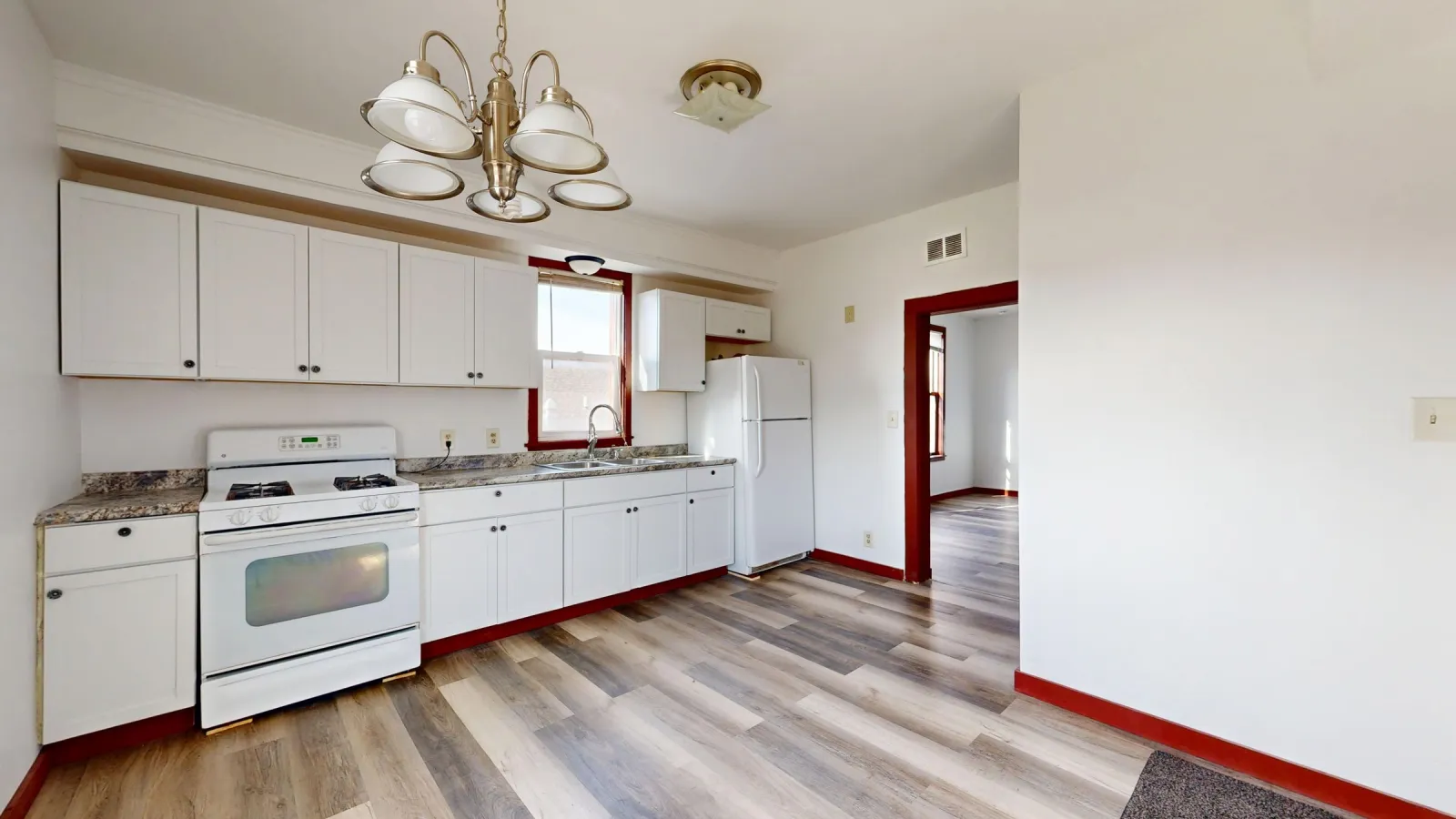
A rental floor has a different job from the floor in your own house. It has to survive tenants you did not choose, their furniture, their pets and their move-out day. It has to be fixed quickly when something goes wrong, because every empty week costs rent. And it has to look good enough in listing photos to lease the unit fast.
We do a steady amount of turnover work for landlords around the DMV, from student rentals near College Park and Hyattsville to condos in Arlington and rowhouses in DC. The owners whose floors hold up best tend to make the same few decisions. Here they are.
What a rental floor has to do
- Survive water. Overflowing toilets, leaking dishwashers, plants, pet accidents and open windows are routine in a rental.
- Resist scratches and dents. Furniture is dragged in and out on every move, and not always carefully.
- Be repairable in pieces. Replacing a few damaged boards should not mean redoing a room.
- Turn around fast. The work should fit inside a normal vacancy.
- Photograph well. Clean, consistent, neutral floors lease faster.
Luxury vinyl plank: the default for most units
For most rental units, rigid-core luxury vinyl plank meets every one of those requirements. It is water-resistant, stands up to pets, looks like wood in photos, and a click-together floor can have individual planks replaced without disturbing the rest of the room.
What separates a rental-grade product from a light-use one is mainly the wear layer, the clear top coat that takes the abuse. For rentals, look for 20 mil or more. Thinner products are sold for low-traffic residential rooms and show wear sooner. A rigid core also resists dents from furniture better than thin, flexible vinyl. Our vinyl flooring guide explains the construction, and laminate vs. LVP compares the two.
One caution: "water-resistant" means the planks do not swell. Water can still get under the floor at the edges and seams, so a serious leak still needs the floor lifted and the subfloor dried. Proper transitions and sealed perimeters in kitchens and bathrooms reduce that risk.
Laminate: good in dry rooms
Laminate has an extremely hard, scratch-resistant surface and costs less than many vinyl products. It is a sensible choice for bedrooms and living areas in units where water is not a daily risk. It is a wood-fiber product, though, and standing water at the seams can swell it permanently. Keep it out of kitchens, bathrooms, laundry areas and basements in rental units.
If the unit already has hardwood, keep it
Many DMV rental houses and older apartment buildings have solid oak floors. Renters look for them, and they are the one floor that can be restored again and again instead of replaced. Covering sound hardwood with vinyl gives up a real advantage in the listing.
The cost-effective way to manage hardwood in a rental is a two-level routine:
- At most turnovers: a screen and recoat. The existing finish is abraded and a fresh coat applied. It takes about a day plus drying, costs a fraction of a full refinish, and removes the light scratches and dull traffic lanes a tenant leaves behind.
- Every several turnovers, or after heavy damage: a full sanding and refinish, which removes deep scratches and pet stains.
Recoating before the finish wears through to bare wood is the key. Once traffic lanes have gone gray, only sanding will fix them, and each sanding uses up some of the wood. Our sanding process guide explains why that matters over the life of the floor.
Condos and apartment buildings
If the rental is a condo, the building's rules come first. Many DMV condo associations require a minimum sound rating for hard flooring, specific underlayment, board approval before work begins, and set working hours. Check the bylaws before choosing a product, not after. Our guide to flooring for DC condos and apartments covers the usual requirements.
Standardize across your units
Owners with more than one unit save the most by picking one floor and sticking with it:
- One product and color across all units. Repairs match, and you learn how it wears.
- Spare boxes in storage. Products are discontinued; a few boxes kept back means a damaged plank can be replaced to match years later.
- A mid-tone, lightly textured wood look. It hides dust, scratches and pet hair far better than very dark or very light floors, and it suits any tenant's furniture.
- Matching trim and transitions. Consistent baseboards and transitions make a unit look finished in photos.
Scheduling around vacancies
Floors should go in once the unit is empty and before final painting touch-ups and cleaning. Click-together vinyl and prefinished floors can be installed and walked on the same day, so an average unit can often be done within a few days. Hardwood recoats need about a day plus drying; full refinishing takes longer, and our refinishing timeline shows how long. Our checklist on preparing for installation applies to rental units too.
Pets
If you accept pets, choose a floor that can take them. LVP with a thick wear layer or a matte, textured hardwood finish handles claws best, and a water-resistant floor handles accidents. Our guide to flooring for homes with dogs goes into more detail.
Frequently asked questions
What is the best flooring for a rental property?
For most units, a rigid-core luxury vinyl plank with a thick wear layer. It is water-resistant, handles pets and moving furniture well, and a damaged plank can often be replaced without redoing the room. Where a unit already has solid hardwood, keeping and maintaining it is usually better than covering it, because it can be refinished between tenants for decades.
What wear layer should rental vinyl plank have?
Look for 20 mil or more for a rental. Thinner wear layers, often 6 to 12 mil, are sold for light residential use and show scratches and wear sooner under tenant traffic, pets and move-ins. The wear layer, not the overall plank thickness, is the number that predicts how long the surface looks good.
Should landlords keep hardwood floors or cover them?
Keep them where they are in reasonable shape. Hardwood is what many DMV renters are looking for, and a screen and recoat between tenants keeps it looking fresh at low cost. A full sanding can be done every several turnovers when the finish wears through. Covering sound hardwood removes a feature renters value.
How can I reduce downtime between tenants for flooring work?
Standardize on one product across your units, keep spare boxes in storage, and schedule flooring as soon as the unit is empty and before painting touch-ups. Click-together vinyl and prefinished floors can go down and be walkable the same day. A screen and recoat on hardwood usually takes about a day plus drying time.
Is laminate a good choice for rental units?
Laminate is very scratch-resistant and suits dry bedrooms and living areas, but it is a wood-fiber product that can swell if water sits on the seams. In kitchens, bathrooms, laundry areas and basements, and in units where spills and leaks are likely, luxury vinyl plank is the safer choice.
Managing rental units in the DMV? Request a free estimate. We will recommend a floor that suits your units and your tenants, quote it clearly, and schedule the work around your vacancy. Larger portfolios and property managers can also see our commercial flooring page.
Keep exploring
- → See our luxury vinyl flooring
- → Vinyl flooring in College Park, MD
- → Vinyl flooring in Hyattsville, MD
- → Floor refinishing in Arlington, VA
- → Flooring for a House With Dogs: Scratches, Accidents and Traction
- → Baseboards, Shoe Molding and Quarter Round: Finishing the Edge of a New Floor
- → Laminate vs. Luxury Vinyl Plank: An Honest Comparison