F&F Surface Group · Flooring Guide
Getting Your Floors Ready to Sell a DMV Home: Refinish, Repair or Replace?
Updated September 28, 2026 · 8 min read
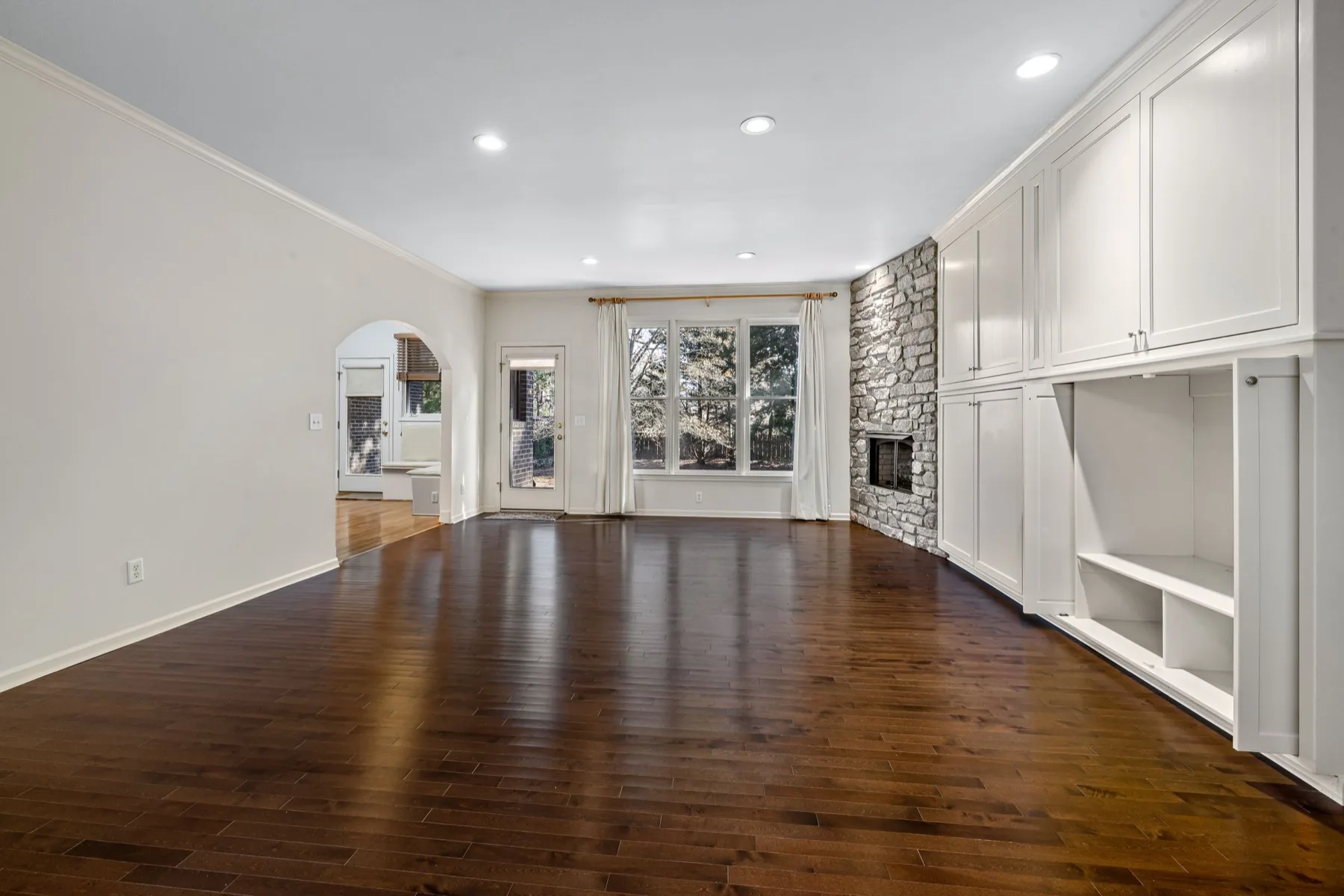
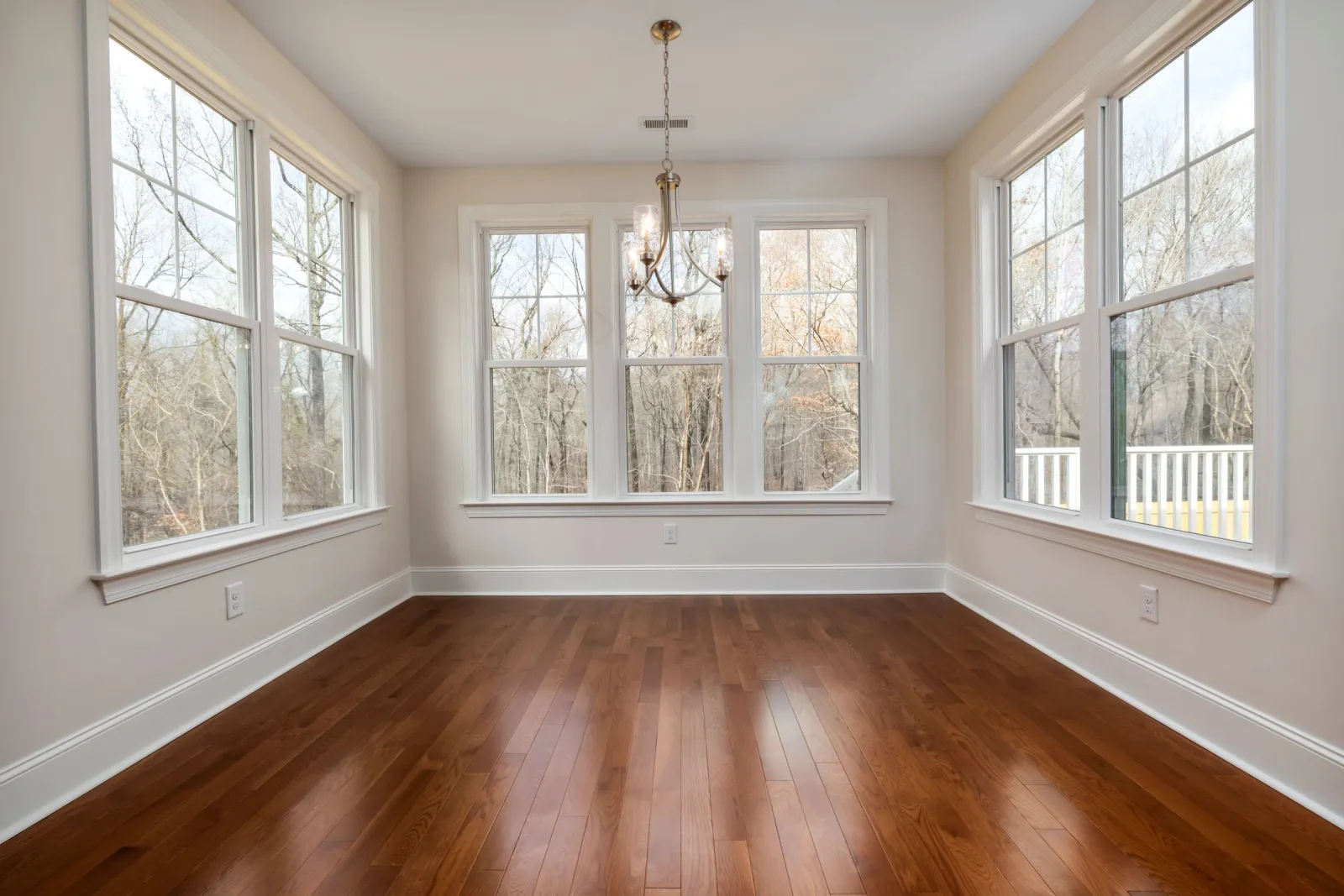
Floors are in every listing photo. They are the largest surface in almost every room, buyers walk across them at every showing, and inspectors and appraisers note their condition. In the DMV, where many buyers are specifically looking for hardwood, the state of the floors is one of the first things that makes a house feel cared for or tired.
That does not mean every seller should put in new floors. Most of the value comes from restoring what is already there, fixing what is obviously wrong, and not spending on things buyers will not pay for. Here is how we would approach it, room by room and floor by floor.
Start with what you have
Before deciding anything, identify every floor in the house and its condition. The decision tree is fairly short:
- Solid hardwood, worn or dull: refinish. This is usually the best money a seller spends on floors.
- Hardwood in good shape but scuffed: a screen and recoat, or a professional deep clean, may be enough.
- Carpet in main living areas: check underneath. There may be hardwood worth restoring.
- Damaged, mismatched or water-stained areas: repair those boards specifically, rather than redoing whole rooms.
- Worn-out vinyl, laminate or failed flooring: replace with something durable and neutral.
Our guide to refinishing or replacing hardwood goes deeper on how to tell whether a wood floor has another sanding in it.
Refinishing: the highest-return floor project for most sellers
A worn hardwood floor photographs as gray, patchy and scratched. The same floor sanded and refinished photographs as even, warm and new, and it is still the original floor buyers were hoping for. For the cost of refinishing, that is a significant change to how the whole house presents, and it is a fraction of what replacing the floor would cost. The factors behind the price are in our refinishing cost guide.
If the finish is simply dull and lightly scratched but the wood is not worn through, a screen and recoat refreshes it in a day or so for much less. It will not remove deep scratches, pet stains or gray, worn traffic lanes, but on a floor that just looks tired it can be all a listing needs.
Choose colors for buyers, not for yourself
If you are refinishing to sell, the goal is the broadest appeal, not your personal taste:
- Natural or mid-tone brown suits the widest range of buyers and furniture, and photographs accurately.
- Very dark stains show every speck of dust and every scratch during weeks of showings, and can make smaller rooms look smaller.
- Strong grays and trend colors date quickly and narrow the audience.
- Matte or satin sheen reads as current and hides the wear that open houses cause. High gloss shows every footprint.
Our stain color guide and finish and sheen guide explain the options, but for a sale the short answer is: keep it neutral and low-sheen.
Check under the carpet before replacing it
In older DMV neighborhoods, including much of Bethesda, Silver Spring, Kensington, Arlington and Falls Church, wall-to-wall carpet very often hides oak flooring. Pulling the carpet and refinishing what is underneath usually costs less than new flooring and gives buyers the hardwood they were looking for. Our guide to hardwood under carpet shows how to check without pulling up a room.
If there is no hardwood, the question becomes what to put down. In main living areas, buyers generally respond better to hard flooring than new carpet. Luxury vinyl plank is the practical choice for basements and wet areas, and engineered hardwood suits main levels where you want real wood.
If you do replace, spend moderately and consistently
Buyers notice floors that are damaged, dated or a patchwork of different materials. They rarely pay extra for premium exotic species or a top-tier product they did not choose. When replacement is necessary before a sale:
- Consistency beats upgrade. One continuous floor through the main level makes a house feel larger and more finished than three different floors of higher quality.
- Mid-range, neutral and durable is the right specification. A light-to-mid oak look in LVP or engineered hardwood works in nearly any house.
- Match the market. A house in Potomac or McLean is expected to have real hardwood on the main level; a starter townhouse is not judged the same way.
Our comparison of hardwood and LVP covers how buyers and appraisers tend to see each one.
Fix the things inspectors will find
Pre-listing and buyer inspections note soft spots, water-stained or cupped boards, loose or broken boards, trip hazards at transitions, and missing trim. Each one gives a buyer a reason to renegotiate. Most are small, targeted repairs: replacing a handful of boards, securing loose ones, adding a proper transition strip. Deal with them before listing, ideally at the same time as refinishing so the repaired boards blend in. See our hardwood repair guide and, if there has been a leak, our guide to water-damaged hardwood.
Timing the work around the listing
Floors should be one of the last big jobs before the house goes on the market, but not so late that they hold everything else up. A workable order:
- Declutter and move out what you can. Empty rooms are faster and cheaper to refinish.
- Finish painting and any messy repairs, so no one is working over the new finish.
- Refinish or install the floors.
- Let the finish cure before heavy furniture and rugs come back. Light use is fine sooner; full cure takes longer.
- Stage, clean and photograph.
A water-based finish helps here: it dries quickly and has far less odor than oil-based, which matters if the house will be shown within days of the work. Our timeline guide to how long refinishing takes has the step-by-step schedule. Leave at least a week or two of buffer before the photographer.
Frequently asked questions
Is it worth refinishing hardwood floors before selling a house?
If the floors are solid or thick engineered hardwood and look worn, usually yes. Refinishing costs far less than replacement and changes how every listing photo looks. If the floors are already in good shape, a screen and recoat, or simply a thorough cleaning, may be all that is needed.
Should I replace carpet before listing my house?
First check what is under it. Many DMV houses built before 1970 have oak flooring under the carpet, and refinishing it almost always shows better than new carpet. If there is only a plywood subfloor, luxury vinyl plank or engineered hardwood are the options buyers tend to respond to in main living areas.
What stain color is best for selling a house?
Natural and mid-tone browns appeal to the widest range of buyers and photograph well. Very dark stains show dust and scratches and can make rooms look smaller in photos; strongly gray or trend-driven colors narrow the audience. A matte or satin sheen reads as current and hides wear during showings.
How far ahead of listing should I refinish my floors?
Plan the floors before painting touch-ups are finished and before staging, photography and any pre-listing inspection. The refinishing itself typically takes a few days, and the finish needs time to cure before heavy furniture and rugs go down, so leave a buffer of at least one to two weeks before the photographer arrives.
Should I install new floors if my current ones are in poor condition?
Replace only what cannot be restored, and choose something durable and neutral rather than premium. Buyers notice floors that are damaged, mismatched or dated, but they rarely pay extra for top-of-the-line material in a house they did not choose. Consistent flooring through the main level usually matters more than the specific product.
Getting a house ready to list? Request a free in-home estimate. We will look at every floor, tell you honestly which ones need work and which do not, and schedule around your listing date. See also our hardwood installation page.