F&F Surface Group · Flooring Guide
Wide Plank Hardwood Floors: Solid or Engineered, Grades, and How They Live in a DMV House
Updated October 5, 2026 · 8 min read
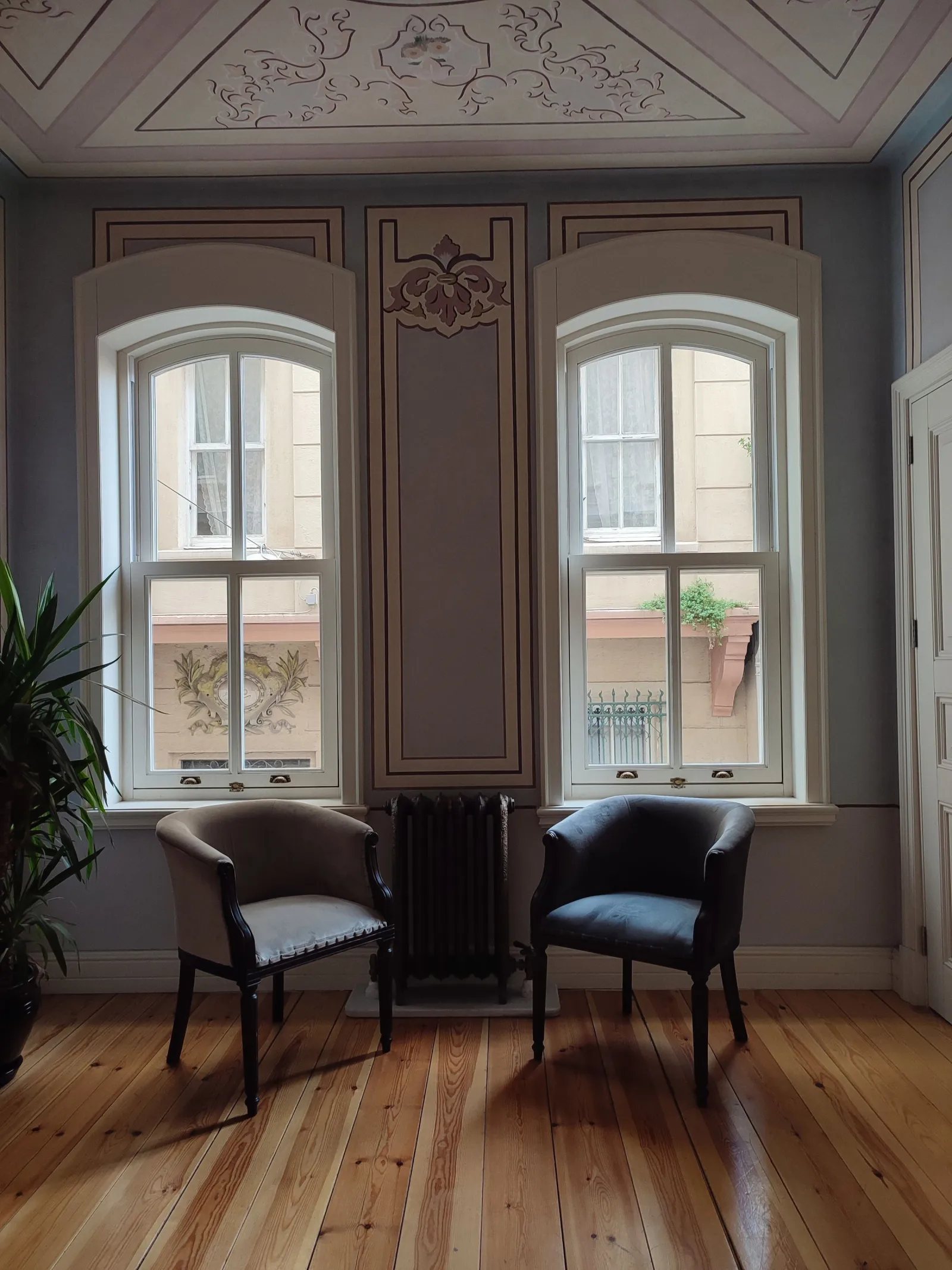
Wide plank floors are one of the most requested looks in DMV homes right now, from new builds in Potomac and McLean to renovated rowhouses in DC. Wider boards show more of the grain, have fewer seams, and make a room feel calmer and larger. They are also the oldest kind of wood floor there is: the wide pine boards in early American houses were wide simply because the trees were.
Width is not just a style choice, though. It changes how the floor moves with the seasons, what product it should be made from, and how it is installed. Here is what to know before you choose one.
What counts as wide plank
There is no official definition. Boards around 5 inches and wider are generally called wide plank, and most of the floors people are asking for today run 7 to 10 inches. For comparison, the strip floor found in many older Bethesda, Arlington and Silver Spring houses is 2¼ inches.
Why width changes how a floor behaves
Wood swells and shrinks with humidity, and it does so mostly across its width, not along its length. A wider board moves more in absolute terms than a narrow one. In a region with humid summers and dry, heated winters, that matters.
On a strip floor, the winter shrinkage is spread across many seams, so each gap is a hairline. On a wide plank floor the same amount of movement is spread across far fewer seams, so each gap is wider and easier to see. In summer, a wide solid board that takes on moisture is also more likely to cup, with the edges rising above the center. Our guide to gaps and cupping explains the mechanics.
None of this means wide plank is a bad idea here. It means the product and the installation have to be chosen for it.
Solid or engineered
Engineered hardwood is what made today's wide plank floors practical. It has a top layer of real hardwood on a core of cross-layered plywood or similar material, and that core resists the swelling and shrinking a solid board would do. The result is a wide floor that stays flatter and tighter through the seasons. It can also go over concrete slabs and, with an approved product, over radiant heat, where wide solid boards are a poor fit.
Solid wide plank is still possible and some homeowners prefer it, especially in a period house or where they want a floor that can be sanded many times. It needs more care: wood dried to the right moisture content, a sound wood subfloor, careful acclimation, often glue in addition to nails, and a house with steady humidity year round. Even then, expect visible seasonal gaps.
For most DMV houses wanting boards 7 inches and wider, we recommend engineered. Our comparison of engineered vs. solid hardwood goes deeper.
The wear layer decides how long it lasts
With engineered wide plank, the most important specification is the thickness of the top layer of real wood. That layer is what gets sanded if the floor is ever refinished. A wear layer of around 3 to 4 millimeters or more can usually be sanded and refinished more than once. A thin layer of 1 to 2 millimeters may allow one light sanding or none, which means the floor is replaced rather than restored when the finish wears through.
Thicker wear layers cost more, and that cost is a large part of the price difference between engineered products that look the same in a showroom. For a floor you plan to keep, it is money well spent.
Species, grade and length
- Species. White oak is behind most wide plank floors being installed now. It is stable, takes natural, light and gray finishes well, and has a quiet grain that suits wide boards. Hickory, walnut and maple are also available. Our species guide compares them.
- Grade. Grade describes how many knots, color variations and mineral streaks the boards have. On a wide board, every knot is bigger and more visible. A clean select grade reads calm and modern; a character grade reads rustic. Look at full boards, not small samples.
- Length. Wide boards look best long. Short wide boards create a busy, choppy floor. Ask about the average and maximum lengths in the box, not just the width.
Edges and finish
Most prefinished wide plank has a small bevel on each edge, which hides slight height differences between boards and gives the floor a plank-by-plank look. Unfinished boards sanded and finished on site have square edges and a smoother, continuous surface, and can be stained any color on the floor itself.
Low-sheen finishes suit wide plank and hide scratches well. Wire-brushed or textured surfaces hide wear even better, but they lose their texture if sanded, so they are usually maintained with recoats instead. Our finish and sheen guide and stain color guide cover those choices.
Installation matters more with wide boards
Wide boards are less forgiving. Before installation, the subfloor needs to be flat; a dip that a narrow strip would bridge shows under a wide plank. Moisture readings on the wood and subfloor should be taken and recorded. Many manufacturers call for adhesive along with nails or staples on wider boards, or full glue-down on concrete. And the expansion gap at the walls has to be left as specified. Our installation process guide walks through the steps.
Living with a wide plank floor
The best thing you can do for a wide plank floor is keep indoor humidity steady. A humidifier on the furnace in winter and air conditioning in summer will keep most floors in the range manufacturers ask for, usually around 35 to 55 percent relative humidity. That keeps winter gaps small and protects against cupping in summer.
What it costs
Wide plank generally costs more than narrow strip. Wide, long, clear boards come from bigger logs, and installation can take more time and materials. Within engineered products, the biggest price drivers are wear layer thickness, grade and board length. Our guide to hardwood installation costs explains how quotes are built.
If you are drawn to wide plank because you want a floor with real presence, it is also worth looking at patterns. Our guide to herringbone and chevron floors covers the other way to make a floor the centerpiece of a room.
Frequently asked questions
What counts as a wide plank hardwood floor?
There is no official cutoff, but boards around 5 inches and wider are generally called wide plank, and many current floors are 7 to 10 inches. For comparison, the traditional strip floor in many older DMV houses is 2¼ inches wide.
Is solid or engineered better for wide plank floors?
For most DMV houses, engineered. A wide solid board swells and shrinks more across its width than a narrow one, which shows up as larger gaps in winter and a higher risk of cupping in humid summers. Engineered planks have a cross-layered core that limits that movement, which is why most wide plank floors installed today are engineered.
Do wide plank floors have gaps between boards?
Any solid wood floor opens slightly in the dry winter months. With wide boards, the same total movement is spread over fewer seams, so each gap is wider and more noticeable. Engineered wide planks and steady indoor humidity keep those gaps small.
Can wide plank engineered hardwood be refinished?
It depends on the wear layer, the top layer of real wood. A thick wear layer of around 3 to 4 millimeters or more can usually be sanded and refinished more than once. A thin layer may allow one light sanding or none. Wire-brushed and heavily textured surfaces lose their texture when sanded, so they are usually recoated rather than sanded.
Are wide plank floors more expensive?
Usually yes. Wide, long, clear boards come from larger logs, and the material costs more per square foot than narrow strip. Installation can also cost more because wider solid boards often need glue in addition to nails. Engineered wide plank ranges widely in price depending mostly on wear layer thickness and grade.
Considering wide plank for your home? Request a free estimate. We will look at your subfloor and your house, recommend a product that will stay flat through DMV summers and winters, and quote the installation clearly. When the floor eventually needs it, we also handle refinishing.
Keep exploring
- → See our engineered hardwood flooring
- → Hardwood flooring in McLean, VA
- → Hardwood flooring in Potomac, MD
- → Hardwood flooring in Reston, VA
- → Herringbone and Chevron Hardwood Floors: Pattern, Cost and What to Ask
- → Flooring Over Radiant Heat: Hardwood, LVP and Laminate Compared
- → What Hardwood Floor Installation Actually Costs in the DMV